

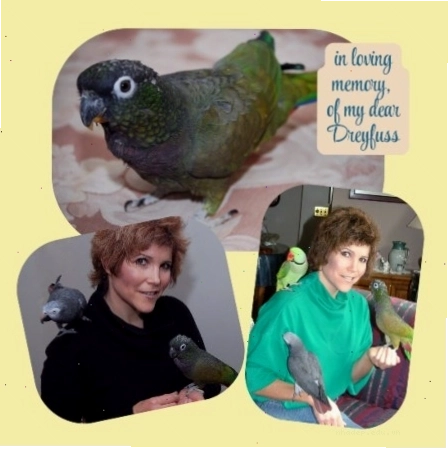
Living with a parrot is a profound commitment that extends far beyond providing a simple cage and seeds. For many bird enthusiasts, including those who remember the long-lived legacy of a 36 year old Maximilian pionus like Dreyfuss, the goal is always to maximize the quality of life for these intelligent creatures. Creating a stimulating environment for pet birds is not just a luxury but a biological necessity to prevent behavioral issues and ensure psychological well-being.
The biological necessity of mental stimulation for parrots
In their natural habitats, parrots are active problem solvers that spend the majority of their waking hours interacting with their flock and searching for resources. When we bring these animals into our homes, we must account for their high intelligence and survival instincts. Without a proper outlet for their energy, parrots may develop aggression or self-mutilation habits.
While many pet owners focus on other household animals, perhaps researching a canine nutrition guide or checking best dog food options, the complex needs of birds often require a more architectural approach to their living space. A stimulating environment bridges the gap between captivity and the wild.
Implementing foraging behaviors as a core health strategy
Foraging is the act of searching for and identifying food, an activity that occupies up to 80 percent of a wild parrot's day. In a domestic setting, food is often provided in a bowl, leaving the bird with hours of idle time. To counter this, experts recommend using bird foraging toys and bird puzzle feeders to make the bird work for its meals.
You can begin this process by making food slightly harder to find. Start by covering food dishes with paper or cardboard, forcing the bird to chew through the barrier. As they gain confidence, you can introduce more complex parrot enrichment ideas, such as weaving treats through cage bars or hiding them inside untreated wooden tubes.
Essential elements for a professional bird cage setup
The cage serves as a safe haven, but it must also function as a gymnasium and a playground. Choosing the right cage involves more than just aesthetics; it requires a deep understanding of the bird's physical reach and flight needs. Always choose the largest cage your space allows, as birds are wild animals accustomed to unlimited sky.
Within this space, variety is the key to foot health. Using natural wood perches of varying thicknesses provides a workout for the bird's feet, preventing pressure sores and arthritis. Much like how a cat owner must learn about bobcat fever in cats to protect their feline's health, bird owners must be vigilant about the safety of the materials used in the cage.
Comparison of common bird perch materials
| Perch Type | Benefits for the Bird | Maintenance Needs |
|---|---|---|
| Natural Manzanita | Varying diameters, very durable, mimics wild branches | Requires occasional scrubbing to remove debris |
| Sandblasted Grapevine | Excellent grip and interesting textures for climbing | Difficult to clean due to many crevices |
| Rope Perches | Soft on feet, flexible for creating custom paths | Must be replaced if fraying occurs to prevent tangling |
Integrating multi pet safety into your bird care routine
Many bird owners also share their homes with other animals, necessitating a broad knowledge of cat care and general cat health. It is vital to ensure that domestic cats do not have unsupervised access to the bird's area. Cats can carry pathogens, and even a small scratch can lead to serious infections for a bird.
Pet owners should stay informed about various risks, from ear mites and tick-borne diseases in outdoor pets to the quality of best dog food brands and veterinarian-approved kibble for their dogs. Keeping your bird's environment clean and isolated from high-traffic predator areas is essential for creating a stress-free sanctuary.
Advanced techniques for long term avian enrichment
To maintain interest over time, you should rotate your bird's toys every month. This prevents boredom and encourages the bird to explore new textures and mechanisms. You might include items like unbleached coffee filters, twisted corn husks, or PVC piping with drilled holes to hide treats. These DIY solutions are often more engaging than expensive store-bought items.
Always consult with an avian veterinarian when testing new enrichment ideas to ensure every material is non-toxic and free from pesticides. By constantly evolving the environment, you provide your feathered friend with the mental challenges they need to thrive for decades.
Final recommendations for a flourishing avian habitat
Success in creating a stimulating environment for pet birds lies in consistency and creativity. Observe your bird's preferences—some may prefer shredding paper while others enjoy complex mechanical puzzles. By prioritizing mental stimulation alongside physical health and safety, you ensure your bird remains a curious, happy, and vibrant member of your family. Start small with a single foraging dish today and watch your bird's confidence grow.